Science & Tech
Taiwan and U.S. Strike Deal to Cut Tariffs, Expand Chip Investments

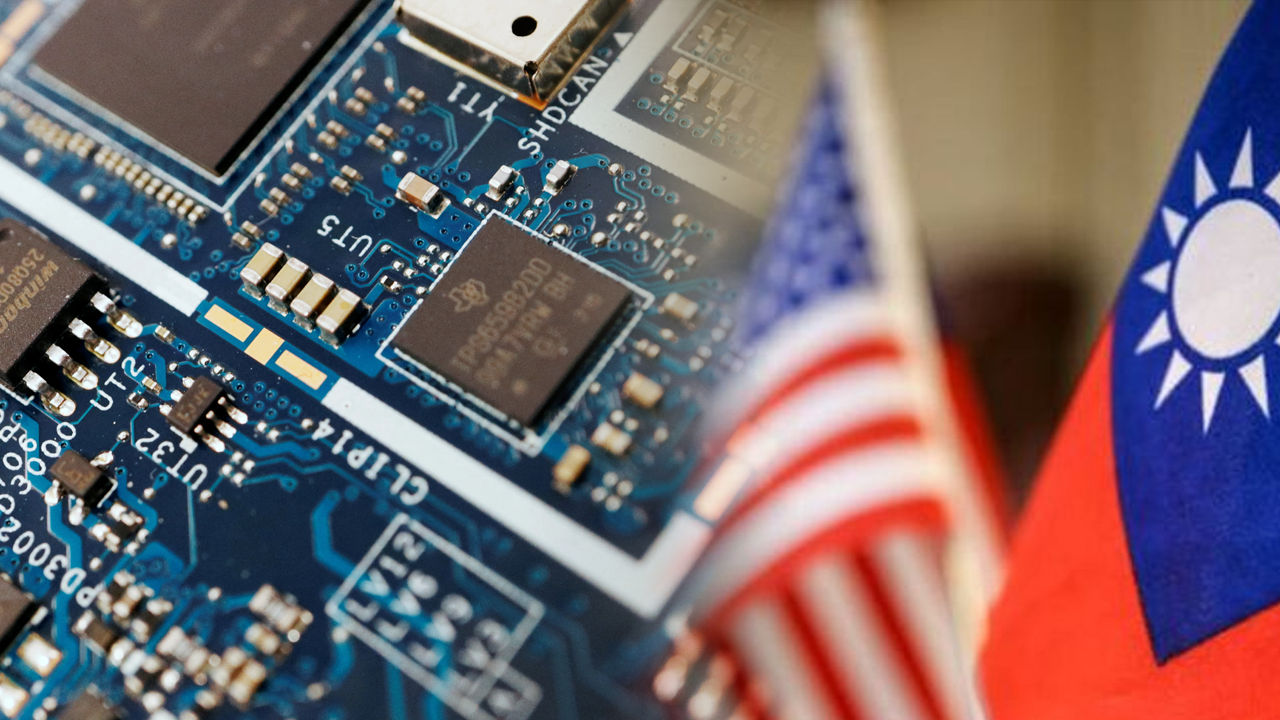
Washington aims to strengthen access to Taiwan’s critical semiconductor sector amid China’s sovereignty claims.
Taiwan and the United States have finalized a trade agreement under which Taiwanese tech and energy companies will invest heavily in the U.S. in exchange for lower tariffs.
The U.S. Commerce Department stated, Taiwan’s semiconductor and technology firms will commit at least $250 billion to U.S. projects. In return, Washington will reduce its general tariff on Taiwanese imports from 20% to 15%.
Despite the agreement, Taiwan emphasized that it will maintain its position as the world’s leading semiconductor producer. The island’s chip industry, often referred to as a “silicon shield,” is seen as both a deterrent against potential Chinese aggression and a strategic reason for U.S. support.
“Taiwan will remain the world’s top producer of AI semiconductors, supplying not only domestic companies but global markets,” Economic Affairs Minister Kung Ming-hsin told reporters. He projected that by 2030, advanced chip production will be split roughly 85–15 between Taiwan and the U.S., and 80–20 by 2036.
China expressed strong opposition to the deal. Ministry of Foreign Affairs spoeperson stated, “China consistently and firmly opposes any agreements signed between countries with diplomatic ties and the Taiwan region,” urging the U.S. to respect the one-China principle.