World
Afghanistan’s hunger crisis deepens as winter and aid reductions hit hardest
Afghanistan’s ongoing hunger emergency has intensified with the arrival of winter and sharp reductions in humanitarian assistance, leaving millions struggling to survive amid freezing temperatures and dwindling resources.
“Whatever fate we have faced is already behind us, but our hope is that our children can have a better future,” an Afghan national said, reflecting the growing desperation among families affected by food shortages.

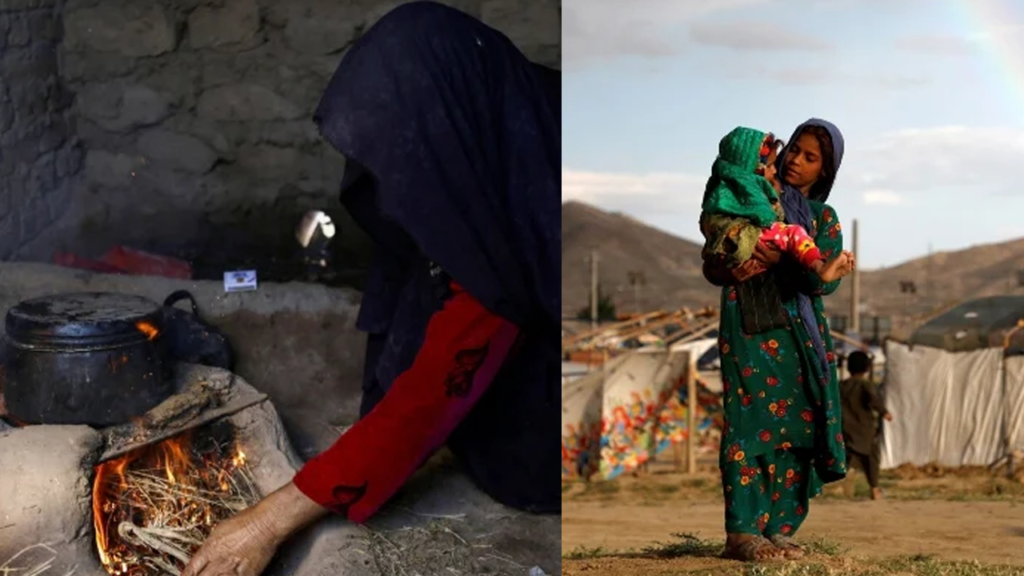
KABUL: Beneath the dim light of a lone bulb inside a makeshift tent on the outskirts of Kabul, Samiullah and his wife, Bibi Rehana, share a modest meal of dried bread and tea with their family — the only food they will have that day. Around them sit their five children and a three-month-old grandchild.
“We have come to a stage where even death feels acceptable,” said Samiullah, 55, describing the depth of hardship his family now faces. Once living across the border, the family — including two elder sons aged 18 and 20 and their wives — is among the millions forced to return to Afghanistan after deportations from Iran and Pakistan over the past year.
As winter tightens its grip across Afghanistan’s harsh terrain, employment opportunities have all but disappeared. At the same time, the return of displaced Afghans has pushed the country’s population up by nearly 10%, according to John Aylieff, the World Food Programme’s (WFP) country director.
Aylieff warned that funding shortages are worsening the crisis. He said cuts to international aid programmes following US President Donald Trump’s return to office have severely reduced resources for organisations such as the WFP. Several other donor nations have also scaled back contributions, placing millions of vulnerable people at risk worldwide.
“Afghanistan experienced its worst-ever surge in malnutrition last year, and unfortunately, all indicators suggest the situation will deteriorate further,” Aylieff said. He estimated that an additional 200,000 children could suffer from acute malnutrition in 2026.
At a WFP distribution centre in Bamiyan, around 180 kilometres west of Kabul, sacks of rice and containers of palm oil are stacked for delivery as wheelbarrows move supplies across the site. Yet the available aid remains insufficient to meet the needs of the long lines of people waiting for assistance. “I have no choice but to survive the winter with whatever we receive here,” said Zahra Ahmadi, a 50-year-old widow and mother of eight daughters, as she collected food aid for the first time. “Some days we eat, and some days we go without.”