World
Iran says crackdown on arrested protesters has only begun
Authorities move to seize assets of those accused of backing unrest to cover damage costs
TEHRAN: Iranian authorities have reiterated their intention to impose severe punishments on those arrested during recent nationwide protests, even as tensions escalate between Tehran and United States President Donald Trump amid a near-total internet blackout across the country.
Judiciary chief Gholam-Hossein Mohseni-Ejei said on Monday that legal action against those detained is only beginning. Writing on X, he warned against showing leniency to individuals deemed undeserving, saying such actions would contradict the principles of justice.
His remarks came as most Iranians remained without internet access, following only a brief and limited restoration on Sunday.

sa
Mohseni-Ejei later met with President Masoud Pezeshkian and parliamentary speaker Mohammad Bagher Ghalibaf. In a joint statement carried by state media, the three officials vowed decisive action against what they described as “murderers and terrorist instigators.” However, they suggested that individuals allegedly misled into protesting by foreign actors could still receive clemency under what they termed “Islamic compassion.”
The developments followed comments by President Trump last week, in which he claimed Iran had halted the execution of more than 800 people. Speaking at the White House, Trump welcomed the move, saying he respected the decision. Earlier, he had warned that Washington could consider military action if Iranian authorities carried out mass killings during the unrest.
Iranian leaders have repeatedly accused the United States and Israel of orchestrating and financing the protests. On Saturday, Supreme Leader Ayatollah Ali Khamenei acknowledged for the first time that “several thousand” people had been killed, while insisting that responsibility lay with foreign-linked agents rather than state forces.
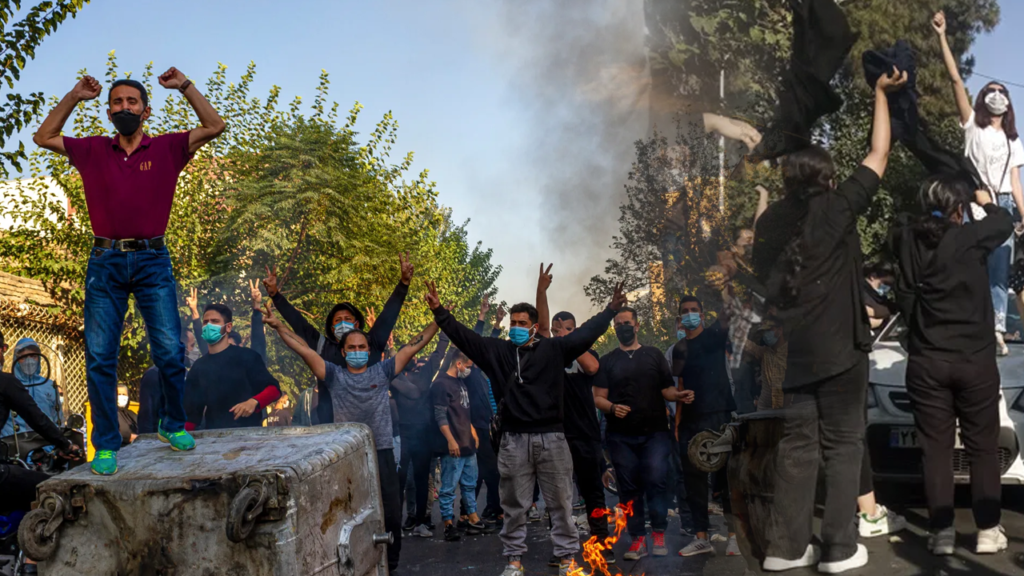
The protests, which began on December 28 following demonstrations by shopkeepers in central Tehran, have led to widespread arrests. While no official figures have been released, tens of thousands are believed to have been detained. Authorities continue to announce new arrests almost daily.
On Monday, the Intelligence Ministry said it had detained members of what it called a “terrorist team” that allegedly entered Iran through its western borders. State media also reported arrests in Kerman, Isfahan, Mazandaran, Shiraz and Bandar Anzali, claiming those detained were “riot leaders” involved in attacks on government buildings and mosques.
Police chief Ahmadreza Radan said protesters who were “deceived” into participating have been given three days to surrender in exchange for reduced sentences. He added that authorities would pursue all those involved in the unrest and claimed many detainees had already confessed to acts of violence, including murder and looting.
State television has broadcast several such confessions in recent days, with faces obscured — a long-standing practice that has drawn criticism from international rights groups.
Officials have also signalled plans to recover financial losses caused by the protests through asset seizures. Prosecutor General Mohammad Movahedi Azad said those who supported or financed what he described as “monarchist sedition” would be held financially accountable.
The IRGC-linked Fars News Agency reported that the assets of a prominent businessman — including popular café chains and well-known food brands — had been confiscated, with their value said to roughly match the cost of damages in Tehran.
Former national footballer Voria Ghafouri, previously arrested in 2022 for backing earlier protests, was also reported to have had his café seized.